Old barns are patient subjects and terrible procrastinators' excuses. A timber-frame barn that has stood through a hundred winters can lose its roofline in a single bad storm, and the photographs you meant to take next summer suddenly become the only record of how it looked. Whether you are shooting for a county historical society or for your own family files, the goal is the same: images and notes that someone who never saw the building can still understand.
Before You Go: Light, Season, and Permission
Start with permission. If the barn is not yours, find the owner and ask — a knock on the door beats a trespassing complaint, and most owners are pleased someone cares. Ask about hazards at the same time: soft floors, loose metal roofing, livestock, and equipment that moves without warning. An old barn is a wonderful subject and a bad place to take chances. If it looks unsafe, photograph it from the outside.
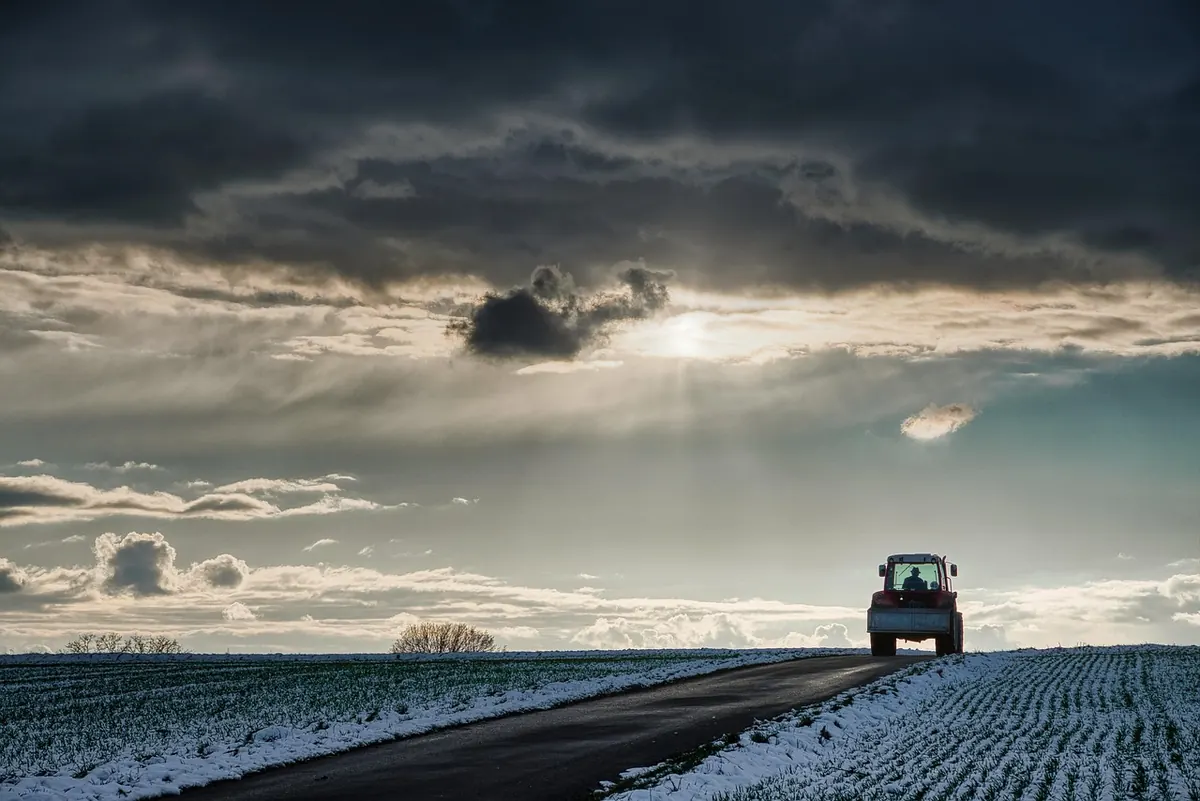
Light matters more than gear. A phone in soft, even light will document a barn better than an expensive rig at noon. Overcast days flatten texture, but they also give you clean, readable elevations, which is exactly what a historian wants. Low sun — early morning, late afternoon — rakes across board-and-batten siding and makes every patch, cupola, and sag visible. Harsh midday sun under a clear sky does neither well.
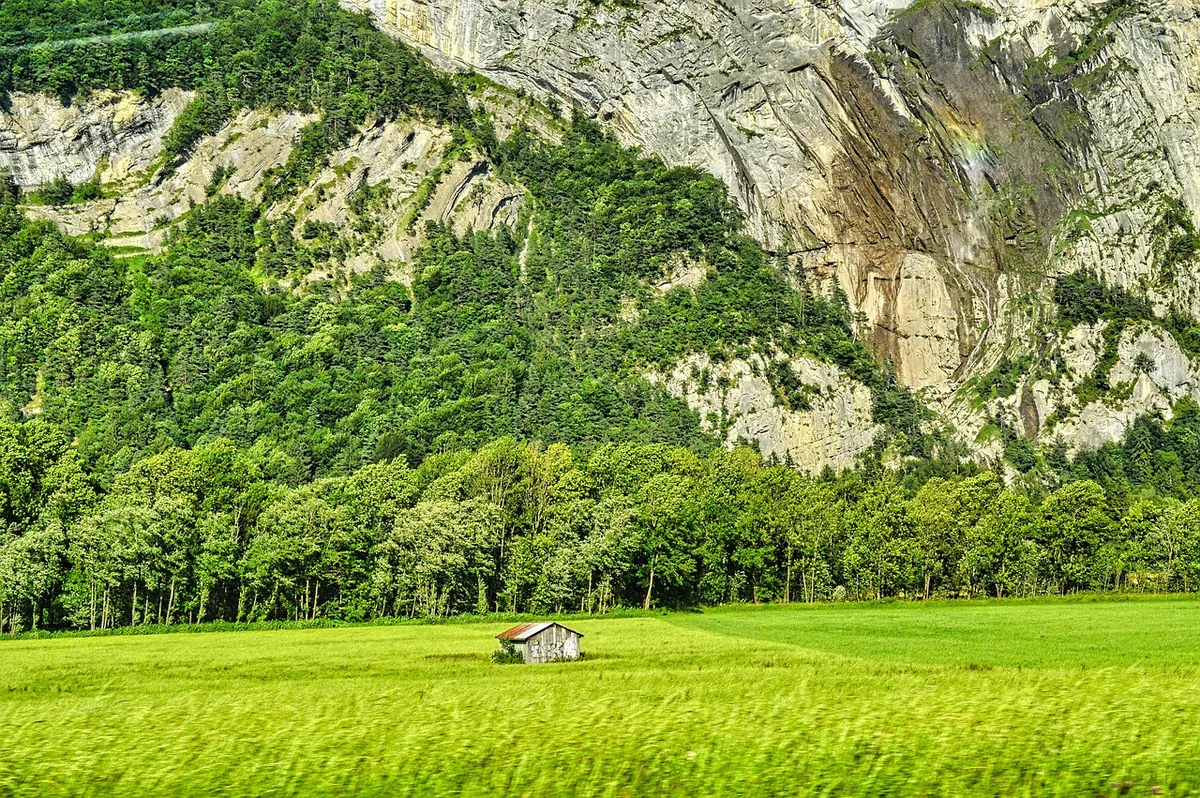
Late fall through early spring is the honest season for barns. With the leaves down you can see the whole structure, the foundation, and the way the roofline has settled. Summer has its own value: it shows the barn inside its working landscape, the hayfield, the lane, the shade it casts. If the barn matters to you, shoot it in both.
The Core Set: Four Sides, Three Distances
Most barn documentation fails because the photographer shoots only what looks good. The pretty three-quarter view from the road goes in the album; the plain south wall, the one that shows the lean-to added in the 1950s, never gets photographed. Work from a list instead of from inspiration.
- Wide context. Stand far enough back that the barn, its outbuildings, and the land around it fit in one frame. This is the shot that answers "where was this?"
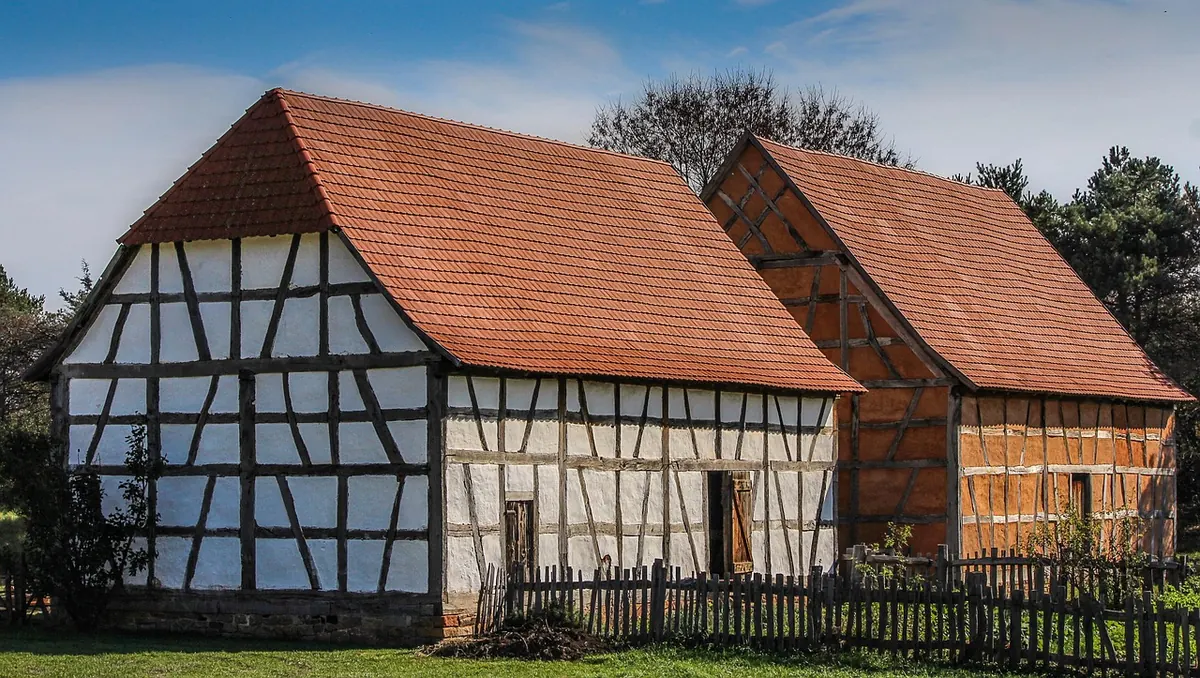
- Four elevations. One straight-on photograph of each side, camera level, barn filling most of the frame. Include the full footprint — every lean-to, every shed addition. Do not crop off the cupola or the bottom of the foundation.
- Three-quarter views. One from each corner. These show depth, roof pitch, and how the walls meet.
- Roofline and skyline. A shot from slightly lower ground, looking up, showing chimneys, weather vanes, lightning rods, and the pitch of the main roof.
A few habits protect the whole set. Keep the horizon level — a tilted barn reads as sloppy even when the building itself is leaning. Shoot both horizontal and vertical frames of the key views. And take a second pass if clouds move; two versions of the same wall in different light double your chances of having one usable image.
Details That Date a Barn
Dates live in the small parts. A structural historian reads a building through its hardware, and so can you. Move in close and work through the following, in whatever order suits the building:
- Cupolas, ventilators, hay hoods, and gable-end louvers.
- Foundation: fieldstone, brick, poured concrete, or wooden piers.
- Siding: clapboard, board-and-batten, shiplap, or later metal panels.
- Joinery and pegs, especially in the frame where a wall is open or broken.
- Hardware: strap hinges, wooden latches, track doors, pulleys, and rope.
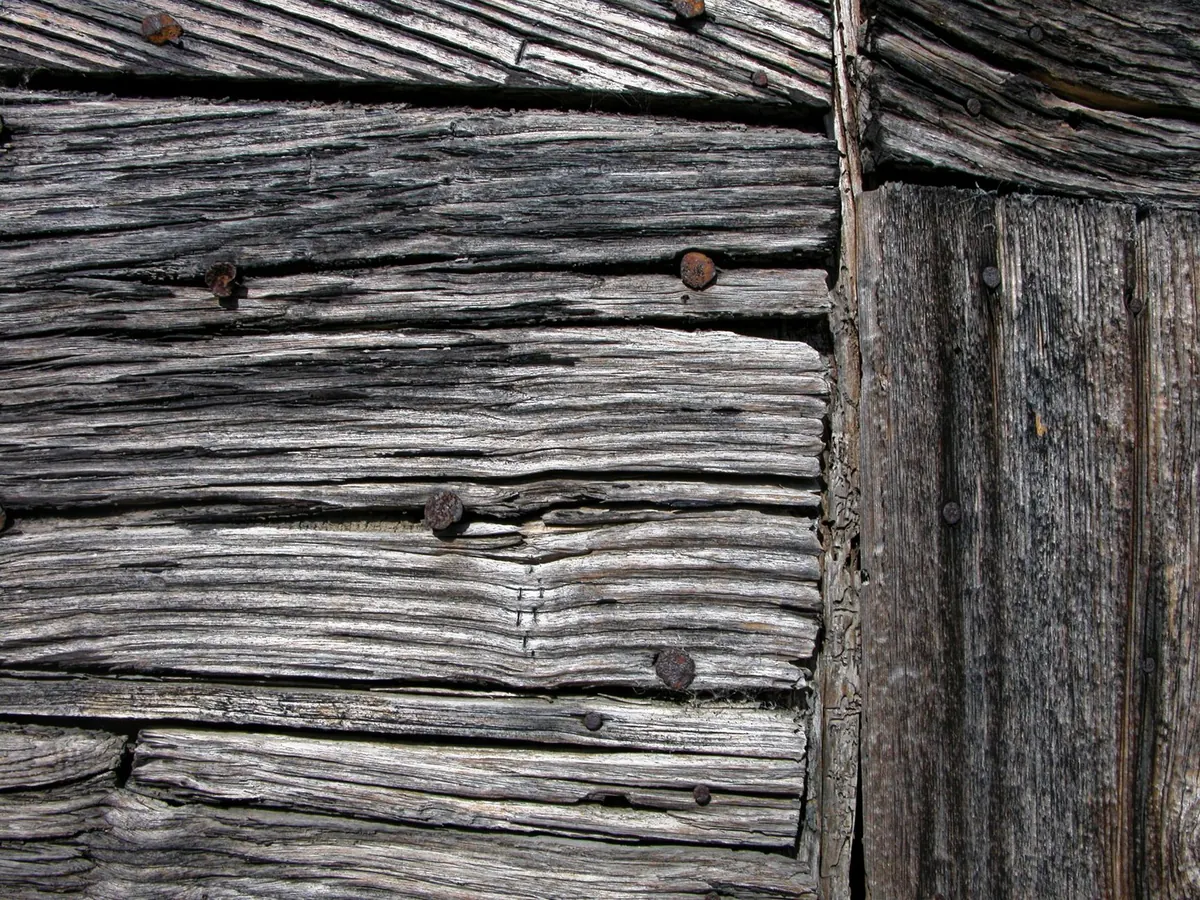
- Paint ghosts, patched boards, and mismatched timber — the visible history of repairs.
- Carved initials, date stones, chalk marks, and painted signs.
Always give scale. A hinge photographed alone tells a viewer nothing about size. Set a folding rule, a coin, or your boot beside the detail, or simply keep your hand in the frame. Photograph in open shade when you can; direct sun on weathered wood blows out the grain you are trying to record.
Context Shots: The Barn in Its Place
A barn never stood alone. Photograph its relationships: the distance to the house, the silo, the corn crib, the machine shed. Include the lane that leads to the big doors, the fence line that fed the barnyard, the windbreak planted on the west side, the orchard, the water trough. These images explain why the barn sits where it does and which way its doors face — usually away from the prevailing winter wind.
Then stand where the farmer stood. Shoot the approach up the lane, the view from the kitchen window, the barn as it appears from the nearest road. If the surroundings are changing — new houses going up on the old hayfield, a fence coming down — photograph that too. It is part of the record.
Notes, Labels, and Honest Metadata
Photographs without notes become mysteries in twenty years. Before you drive away, write down the date and time, the weather, and the direction each photograph faces. Note the town, the road, and either coordinates or written directions good enough for a stranger to follow. Record the owner's name and that you had permission. Add anything you know about the building's age, use, or history, and mark clearly what you were told versus what you assumed.
A rough site plan helps more than it seems: a square for the barn, arrows for north, labels for the silo and the lane. A short voice memo while standing in the yard captures details you will forget by dinner.
Name your files so they explain themselves — something like 2026-03-14_hicks-road-barn_east-elevation rather than a camera-assigned number. Keep the original files untouched, back them up in at least two places, one of them off-site, and export smaller copies for sharing or printing. For prints, label the back in soft pencil rather than ink, and consider giving a set to the local historical society. Duplicates in two buildings survive; one folder on one laptop does not.
A Field Routine That Actually Works
Walk the perimeter once with no camera. Look at the foundation, the doors, the repairs, and the way the light falls. Then shoot wide to close: context, elevations, corners, roofline, details. Take your notes before you start the car. The whole visit rarely takes more than an hour, and the record it leaves will outlast the building.
Barns come down quietly, one storm or one buyer at a time. An afternoon with a camera and a notebook is a small thing to give in return for a structure that has held up a farm for a century.
Photo: christian hembert / Pexels